93. Colorbond Fence Contractor: The Advantages And Disadvantages of Popular Styles
A Colorbond fence can festinate from the first day, after that quietly hold its shape via wind, sun, and the daily misuse of children on bikes and pets that think every neighbour is their individual opponent. Yet not every Colorbond fence design acts the same way in real life. Some use cleaner lines and less complicated maintenance, others include privacy at the expenditure of airflow, and a couple of designs can magnify wind noise or make tiny installation errors more obvious.
If you are evaluating up Colorbond fencing, the sincere inquiry is not just "what looks great?" It is likewise "what will it do on my block, in my climate, with my lifestyle?" That is where a great Colorbond fence contractor gains their fee, since they recognize the compromises, not simply the advertising and marketing photos.
Below is a based check out prominent Colorbond fence designs, including the pros, the cons, and the useful choices that divide a fence you forget about from one you continuously babysit.
First, a fact examine "design" with Colorbond fencing
When people claim "Colorbond fence design," they often indicate the panel style and the visual rhythm: the elevation, the spacing, whether it is completely splashed, whether it is corrugated, and exactly how the structures and messages are laid out. Under the hood, the installer is still taking care of the same essentials every single time:
- wind loads and supporting at the ideal intervals
- post installed deepness and alignment on irregular ground
- panel signing up with and the way the fencing line "reviews" as you stroll past it
- water movement, wet areas, and cleansing accessibility around the base
A Colorbond fence installation that is technically appropriate but aesthetically clunky is typically a style-layout issue. A fence that looks perfect but drinks in solid gusts is generally a framework and repairing problem. And a fence that spots, chips, or discolors unevenly is often concerning sun angles, lawn sprinkler patterns, and exactly how the panels were taken care of throughout install.
Colorbond paling design: the timeless privacy look
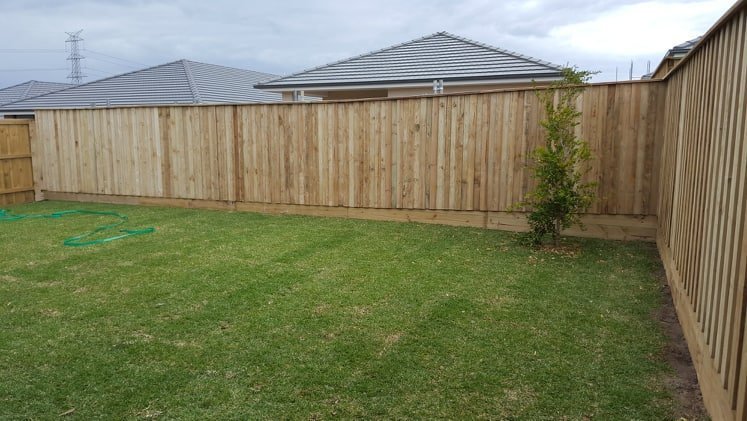
The Colorbond paling style is the one most people picture when they think "fence." It makes use of vertical battens (fades) attached to horizontal rails, normally with either a cap rail, covering on the top, and a tidy structure line.
Pros
The big win is convenience. Fading fences can be constructed with close spacing for personal privacy, or broader spacing where air movement issues. They also match most residential or commercial properties since the upright rhythm conceals minor blemishes much better than a stiff panel system.
In everyday terms, paling fencings are often simpler to repair. If a few battens obtain damaged, you can usually replace specific items rather than exchanging whole panels.
Cons
The disadvantage is work and fixing density. More battens mean more accessory points, and extra points imply more potential for tiny visual differences after a couple of years. Likewise, if you construct it with really limited spacing, you can trap air movement versus the fencing line, which matters for dust and for just how the fence dries out after rain.
One practical problem I see regularly is "sunlight shadows." With battens, the pattern of light and shade can make colour variation much more recognizable, specifically if the fencing deals with strong sunlight at an angle. That does not indicate the product is defective, just that it highlights how your fence is oriented.
Lapped panel look: tidy lines, strong aesthetic impact
Lapped styles, occasionally described as "overlapping" or "panel-lap" relying on the distributor, produce a more strong visual wall. It is still Colorbond fencing, yet the result is that the fencing reads as one continual face as opposed to specific battens.
Pros
A washed panel style is exceptional for personal privacy since the overlap minimizes sightlines. It also creates a tidy, modern look that suits modern-day homes.
Because there are fewer different elements to take care of visually, a durable lapped fence typically looks consistent throughout the whole size. If you care about your fence looking "straight and calm" from the road, this design can be a winner.
Cons
Repairs can be more pricey when damage impacts numerous areas. Depending on the system, you may need to change bigger periods instead of a number of very easy battens. Additionally, the overlap design can influence water drainage. If the fence line beings in a place where drainage from the roofing system or lawn sprinkler strikes consistently, you can end up with obvious dust lines unless the installation consists of clever spacing at the base and correct drainage.
I have likewise seen lapped fencings where the overlap direction and alignment were somewhat off. It can be dealt with, yet it is not always obvious till it is too late, due to the fact that the fence "secure" the visual positioning once the messages and rails are set.
Corrugated Colorbond: commercial strength with a various feel
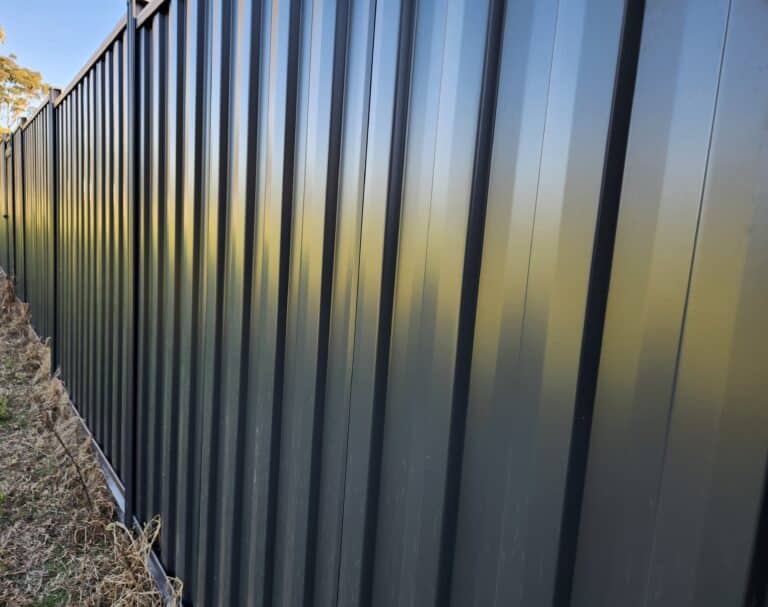
Corrugated designs consider that apparent, ribbed profile. They are aesthetically vibrant, and they function well if your house has metal trims, strong roofing system lines, or a more tough aesthetic.
Pros
The ribbing includes tightness, which can aid with regarded robustness. Corrugated fences likewise hide little framing irregularities far better than you could anticipate, due to the fact that the account normally breaks up the surface.
From a specialist's point of view, corrugated can also be efficient to install in constant runs, since the system often tends to be straightforward once the very first lines are set.
Cons
The look is polarising. Some neighbours like it, others call it "storage facility." If you are selling in the future, you wish to be careful. Also if the fence is strong, it might restrict customer charm relying on the residential area and housing style.
There is one more problem people do not consider until they live with it: noise. Corrugated surface areas can create a different audio account in wind. It is not dangerous, but it can be much more recognizable in revealed locations, especially where the fencing line runs alongside dominating winds.
Flat or shadowline panel designs: marginal spaces, crisp darkness edges
Shadowline design Colorbond fencing is popular because it looks modern and "designer." Panels sit colorbond installer in a way that highlights a subtle shadow space, considering that tidy, split appearance.
Pros
This is among the sleekest looks you can get. It has a tendency to photograph well, and in the real world it can make a fence appearance higher end without mosting likely to severe heights.
Maintenance is additionally often less complicated with smoother accounts. You still need to keep an eye on dirt build-up near lawn sprinkler mist and where leaves develop, however you are not scrubbing via limited batten gaps.
Cons
The minimal-gap look makes setup positioning more critical. Tiny errors in message plumb or rail degree can show up as uneven shadow lines. That is not a factor to avoid shadowline fencing, it is a factor to select a Colorbond fence builder that takes format seriously and checks constantly throughout install.
Another trade-off: since the visual gaps are regulated, you can wind up with much less all-natural air movement. If your lawn backs onto an area where you obtain dust or plant pollen, a solid-style fencing can trap it much longer against the fencing face.
Picket-style Colorbond: appeal, but recognize the personal privacy limits
Picket style fencings are not always the first choice for optimum personal privacy, but they can work wonderfully for front boundaries or for home owners that want a "soft" edge while still gaining from a Colorbond fence's longevity.
Pros
A picket look is friendly. It separates visual bulk, and it can make small front backyards feel much less boxed in. If you are aiming for visual allure, this design has a record of doing that without being fussy.
Also, pickets are typically easier to change separately if something clips them throughout yard work.
Cons
If you pick a picket style for privacy, you will likely be let down unless the spacing and height were chosen with your assumptions in mind. Pickets can look exclusive from specific angles, after that reveal greater than you want when you are standing at the side gateway or when the sunlight angle adjustments via the day.
The other functional con is safety perception. Even if the fencing is high, the picket gaps can influence exactly how thiefs or go-getters view the website. In several locations, local guidance and fencing policies issue, so it deserves discussing your goals with your installer as opposed to guessing.
How to select a Colorbond fence style for your particular site
This is where the most effective Colorbond fencing contractor conversations take place. Not with a paint swatch in hand, yet with a fast stroll around the home and a truthful take a look at restrictions: wind direct exposure, drain, existing garden beds, and how you actually use the yard.
A couple of real-world elements choose the right style quick:
- If you obtain hefty wind and dust, an extra solid lapped or shadowline appearance can maintain dust down inside the yard, but it may also require extra interest to water drying out and particles buildup.
- If you get on an incline or have uneven ground, the design that endures small base variants without looking uneven becomes more important.
- If you desire easy future repair service, batten-style layouts can use a functional advantage over fixed-panel spans.
Here is a brief choice checklist I use when advising somebody who wants a "preferred design" however likewise desires it to work in their yard.
- Match privacy to your expectations, not to an image, so choose spacing and elevation based on where you stand usually
- Check wind exposure and orientation, if the fencing faces prevailing gusts, placement and bracing matter more than you assume
- Think concerning cleansing and runoff, where sprinklers or roof drainage hit, you will certainly see dust lines earlier
- Plan for future repairs, ask what parts obtain changed when one area obtains hit
- Confirm conformity needs early, limit rules and elevations can affect design greater than colour does
If your Colorbond fence installation strategy overlooks any one of those, you are gambling on the fencing "obtaining lucky."
Popular Colorbond styles and their trade-offs, side by side
Different styles can deliver similar elevations and comparable material efficiency, yet the day-to-day experience changes.
Here is how I typically summarise it after installing and reviewing enough jobs:
- Paling: best blend of repairability and versatile personal privacy, however more specific battens suggest even more add-on points
- Lapped panel: solid personal privacy and a neat look, fixings can be much less DIY-friendly and water runoff lines need to be taken care of
- Corrugated: strong and sturdy-looking, can be noisier in wind and less generally accepted visually
- Shadowline/ minimal-gap: modern and low-maintenance, positioning needs to be spot-on or the shadow spaces look off
- Picket: excellent for a softer front boundary, personal privacy and safety assumptions are limited by design gaps
That list is an overview, not a policy. I have seen picket fences that really feel personal because of landscape placement, and I have actually seen shadowline fencings look messy simply since the base line wasn't developed appropriately at the start.
The Colorbond installation information that make designs do better
Even the "ideal" style can underperform if the installment was rushed or poorly sequenced. When people call a Colorbond fence contractor, they commonly inquire about colour, elevation, and style, after that they exclude the unglamorous things. Those are the details that decide whether your fencing lasts without headaches.
Post spacing, supporting, and panel stiffness
Panel stiffness and blog post spacing engage. A style that looks solid can still relocate if the framing is not constructed to suit regional wind and fence height. In subjected areas, a somewhat various rail format or supporting strategy can make the distinction in between "company" and "obvious movement" when autos pass or tornados roll through.
Ground line and base clearance
Fence bases are where water and particles gather. If the base is too tight to soil, you can obtain relentless dampness and accelerated grime buildup. If the base clearance is inconsistent, it can additionally make the fence look unequal also when the messages are straight.
Handling and fixing quality
It is alluring to treat this like a simply aesthetic build. It is not. Tiny variants in repair spacing and the means sheets or panels are joined can lead to subtle warping or stress and anxiety points over time. You may not see it in week one, however you feel it later on when sections loosen or when wind obtains under the face.
Pros and cons of each style, in ordinary language
Let's strip away the jargon and speak about what house owners typically appreciate: privacy, looks, sound, repair service, and maintenance.
If you pick a paling or picket fence, you get a fencing that is frequently less complicated to readjust and fix. The appearance is timeless, and the spacing can be tuned. The compromise is you approve more visual "texture" because there are a lot more separate elements.
If you pick a lapped or shadowline fencing, you obtain an even more strong, contemporary visibility. Privacy looks cleaner and the surface tends to be easier to wipe down when bird droppings or dust work out. The compromise is that positioning mistakes are extra obvious and substitute after influence can be larger than you expect.
If you select corrugated, you obtain a fencing with solid personality. The trade-off is style polarisation and the possibility for wind sound that can be more recognizable along revealed lines.
Colour and finish options: the design increases the effect
Colourbond fencing is not just about selecting a prominent colour. Colour option connects with sun direct exposure, roof representation, and just how your yard is maintained.
A much deeper, darker colour can look extraordinary in a shaded exterior and after that look somewhat cleaned or contrast-heavy under strong midday sunlight. Lighter colours can review "tidy" longer yet may reveal dust dash more clearly in some locations, particularly where courses and driveways concentrate runoff.
From a contractor's standpoint, the most essential "colour detail" corresponds supply and constant handling. If a section required substitute as a result of an accident, you desire the installer to match colour batches as carefully as feasible. You do not require perfection to the millimetre, however you do want it to look intentional.
What a great Colorbond fence contractor actually does differently
A solid Colorbond fence maker or contractor is not just purchasing panels. They are taking responsibility for format, sequencing, and ensuring the completed fence does what you desire it to do.
You can usually discriminate by exactly how they take care of inquiries like:
- "Exactly how will you lay out the fence line so it complies with the border without transforming the darkness into a mess?"
- "What takes place if the ground is unequal below, do you step it, rake it, or cut it?"
- "If a panel is struck by a mower or a motorist, what is the repair course?"
- "How do you handle water at the base so the fence remains cleaner?"
When a contractor solutions those clearly, you are getting actual experience, not guesswork.
Getting ready for Colorbond fence installation: what to prepare on your end
Even the most effective installers can not improve secret and missing out on access. Prior to the initial post goes in, you can protect against a great deal of rubbing by preparing the website and your decisions.
You do not need to remove the whole backyard like a building site, but you should prepare for:
- clear access for materials and tools
- marking any kind of services you believe could exist in the location
- deciding where gateways will sit and that will certainly handle their procedure
- confirming the specific fencing line with your assumptions in composing
If you have landscape design, it deserves considering how the fence will look once the fallen leaves return. A fence that seems "best" today can turn into a maintenance problem in a year if creeping plants or looming plants funnel particles right into the base and rails.
Common mistakes I see with popular styles
Most secure fencing issues begin small: one bad alignment, one bad ground prep, one rushed decision about spacing. Later, house owners blame the style rather than the process.
I often see these patterns:
- choosing a style for its appearance without thinking about wind and privacy assumptions
- skipping a cautious base line, after that accepting a slightly uneven face due to the fact that "it is only a little"
- confusing "colour looks right in daylight" with "it will certainly match flawlessly after installation"
- assuming repair will certainly be economical, when the chosen style requires larger section substitutes
If you want to prevent those concerns, treat your Colorbond fencing installer choice like picking a professions companion, not a shipment solution. Ask how they examine placement, how they deal with irregular ground, and what the repair service process appears like for your particular style.
Final take: the most effective design is the one that fits your life
Popular Colorbond fence designs tend to be prominent for a reason. Fading fences fit a variety of residential or commercial properties and use functional versatility. Lapped and shadowline alternatives provide personal privacy and a crisp modern-day appearance. Corrugated provides personality and a sturdier visual existence, however it includes noise and design acceptance factors to consider. Picket fences soften the yard while still making use of Colorbond's durability.
The winning relocation is to select a design that matches your yard's realities, then back it with a careful Colorbond fence installation. If you do that, you end up with something that looks excellent, stands up well, and does not end up being a history issue each time the weather changes.
If you are ready to secure a choice, get a quote from a Colorbond fence contractor that can speak via both the "professional" and the "compromise" for your picked style. The discussion must feel specific to your block, not like a common brochure reviewed aloud.